
Cracking the CBT Code: Proven Strategic Tips for Navigating Computer-Based Testing Under Tight Time Limits
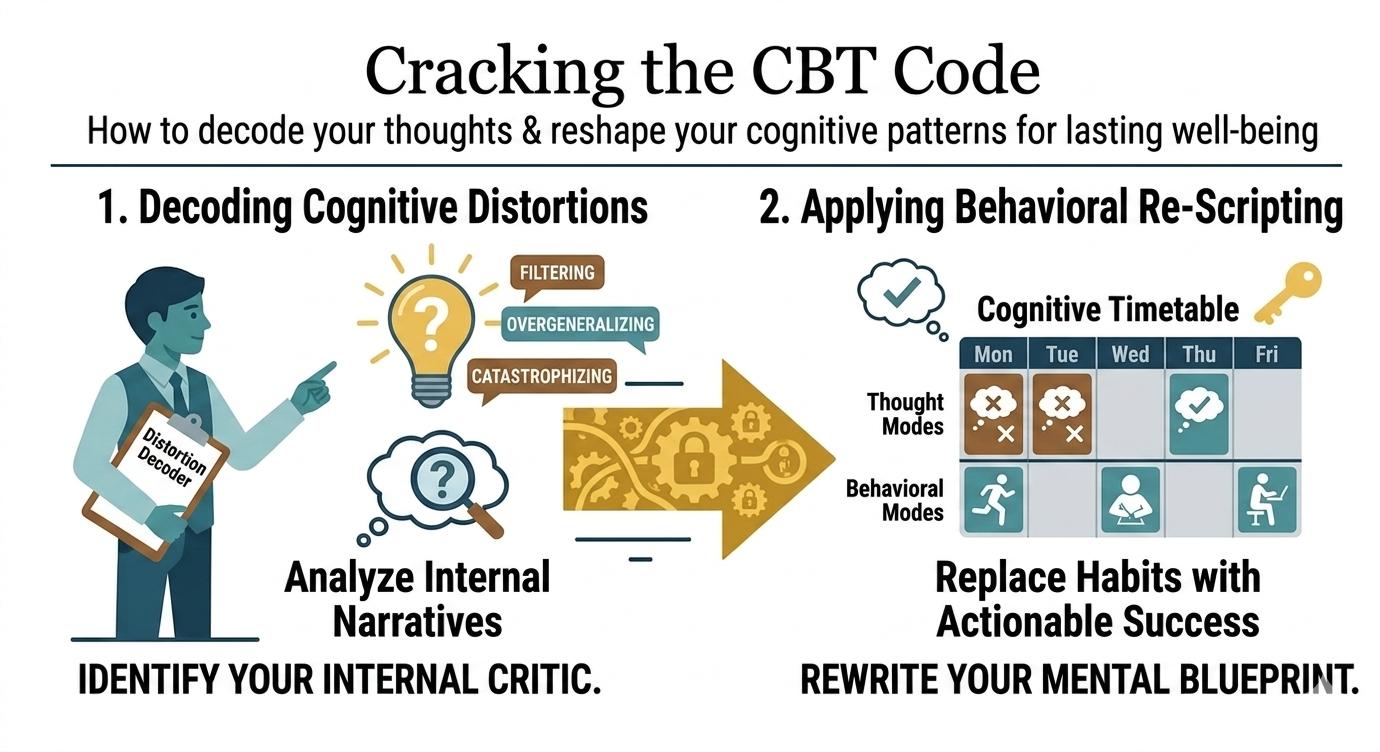
Walking into a Computer-Based Test (CBT) hall is fundamentally different from sitting down with a paper-and-pen exam. On paper, you can skim all the pages in ten seconds, scribble formulas in the margins, and visually track how much work you have left. In a CBT environment, you are locked into a digital interface where a relentless countdown timer ticks away in the corner of a screen, and questions are often fed to you one at a time.
When time is tight, exam success isn't just about what you know—it is about how you interact with the software. Whether you are preparing for terminal secondary school exams, highly competitive university admissions tests, or fast-paced 100-level general courses, mastering the digital testing environment is the ultimate shortcut to maximizing your score. Here is the definitive strategic blueprint to cracking the CBT code.
1. The Interface Audit: Your First 60 Seconds
The moment your login screen clears and the exam begins, your instinct will be to start frantically reading Question 1. Don't. Take a deep breath and spend exactly one minute auditing the software interface.
Before you click a single answer, locate and verify these four elements:
- The Timer: Is it counting down in minutes and seconds, or is it a visual progress bar? Keep a mental note of its position so you can check it without losing focus.
- The Navigation Panel: Look for the grid of numbers (usually on the side or bottom of the screen). Does it clearly differentiate between answered, unanswered, and flagged questions using different colors?
- The "Next" vs. "Submit" Buttons: Ensure you know where the "Next Question" button and the final "Submit Exam" buttons are located — avoid accidental submits.
- The On-Screen Calculator (If Allowed): Open it immediately and test responsiveness (keyboard vs mouse).
2. The Three-Pass Execution Strategy
In a race against a digital clock, treating an exam linearly is an easy way to run out of time. Instead, approach the exam in three distinct passes.
Pass 1: The Low-Hanging Fruit (The "Click and Cruise")
Your first pass should be pure speed. Read a question; if you instantly know the answer or if the calculation takes less than 30 seconds, solve it, select the option, and move on. If a question requires deep thought, bypass it immediately.
Pass 2: The Tactical Flag
Flag difficult questions during Pass 1. After you reach the end, use the navigation grid to jump directly back to flagged items. With baseline marks secured, you can handle intermediate problems with a calmer mind.
Pass 3: The Clock Sweep & Strategic Guessing
In the final 5–10 minutes, check for any blank questions. Know the penalty rules: if there is no negative marking, never leave blanks. For last-minute guessing, stick to one anchor choice (e.g., always choose "C") for remaining unanswered items — this improves your odds over random guessing.
3. Beating the Screen Lag & Technical Hurdles
Not all CBT centers use high-end machines. You may encounter input lag or slow rendering. Avoid spamming clicks — a single firm click is better. Also beware the scroll wheel changing answers accidentally on older platforms; use the page scrollbar instead.
4. Maximizing the Physical Scratch Pad
Your paper scratch pad is your auxiliary hard drive. Use it systematically:
SAMPLE SCRATCH PAPER LAYOUT
----------------------------------------
| FORMULAS:                              |
| P = V*I | V = I*R | W = F*d            |
----------------------------------------
| ELIMINATIONS:                          |
| Q14: A, B, C, D (Guessed B)             |
| Q32: A, B, C, D (Needs calculation)     |
----------------------------------------
The Brain Dump: Spend the first 60 seconds writing down formulas, constants, and mnemonics you might forget later.
5. Psychological Time Management: The 10-Question Checkpoint
To avoid panic, stop checking the clock after every question. Instead, use 10-question checkpoints: check time at Question 10, 20, 30, etc. If you're behind, start flagging long questions; if ahead, keep your rhythm.
Final Takeaway for Test Takers
Master the system — don't let the system master you. The highest CBT scorers combine solid preparation with disciplined digital strategy. Treat the software as a tool to be navigated, apply the three-pass rule, and watch your efficiency improve.
Return to Home or Contact Us for tailored practice plans.